Maximizing Your Baby Logbook: A Comprehensive Guide
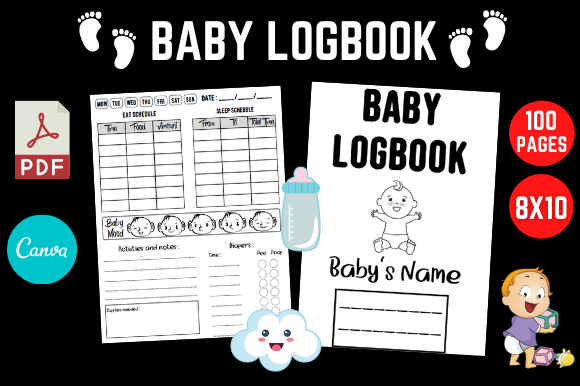
Welcome to the world of Baby Logbook, a versatile and essential tool for any parent or caregiver. This 8x10 inch, 100-page logbook is designed to help you keep track of your baby's feeding, sleeping, mood, activities, and diaper changes. With an included CANVA TEMPLATE, you can easily customize and modify it to suit your needs. Whether you're a first-time parent or a seasoned caregiver, this guide will help you make the most of your Baby Logbook.
Understanding the Importance of a Baby Logbook
A Baby Logbook is not just a diary; it's a comprehensive tool that helps you monitor and understand your baby's daily patterns. By keeping a detailed record, you can identify trends, manage routines, and even share important information with healthcare providers. This can be especially useful in the early months when every detail matters.
1. Overlooking the Feeding Schedule
One of the most common mistakes is not paying enough attention to the feeding schedule. It's easy to get caught up in the moment, but recording the time, amount, and type of feed (breastmilk, formula, or solids) is crucial. This information can help you and your pediatrician track your baby's growth and nutritional intake.
Practical Advice: How to Keep Track of Feeding
- Set reminders: Use a timer or a reminder app to prompt you to record each feeding session.
- Be consistent: Establish a routine for when and how you record the information. Consistency is key to maintaining an accurate log.
2. Neglecting the Sleeping Schedule
Another common oversight is not tracking your baby's sleep patterns. Sleep is vital for a baby's development, and understanding their sleep cycles can help you establish a better routine. Make sure to note the times your baby falls asleep and wakes up, as well as any naps during the day.
Better Approaches: Tracking Sleep Efficiently
- Use a sleep tracker: Consider using a sleep tracking app or device to automatically log your baby's sleep. This can save you time and ensure accuracy.
- Note any disruptions: If there are any interruptions, such as night feedings or diaper changes, make a note of these in your logbook. This can help you identify any patterns or issues.
3. Ignoring Baby Mood and Activities
Many parents focus solely on feeding and sleeping, but recording your baby's mood and activities is equally important. This can give you insights into their overall well-being and help you plan engaging activities that support their development.
Realistic Examples: Why Mood and Activities Matter
For instance, if you notice that your baby is more fussy than usual, it might be a sign of teething or a need for a change in their environment. By logging these details, you can discuss them with your pediatrician and find appropriate solutions.
4. Failing to Record Diaper Changes
Diaper changes are often overlooked, but they provide valuable information about your baby's health. Regularly recording the number and type of diapers (wet or dirty) can help you spot any potential issues, such as dehydration or digestive problems.
Practical Tips: Keeping Up with Diapers
- Keep a tally: Use a simple tally system to count the number of wet and dirty diapers each day. This can be a quick and effective way to stay on top of things.
- Note any changes: If you notice any changes in the color, consistency, or frequency of your baby's diapers, make a note of it. This can be a red flag that you should discuss with your pediatrician.
Final Checks Before Making a Decision
Before you start using your Baby Logbook, take a moment to consider the following:
- Customization: Utilize the CANVA TEMPLATE to tailor the logbook to your specific needs. This can make it more user-friendly and efficient.
- Consistency: Establish a routine for when and how you will record the information. Consistency is key to maintaining an accurate and useful log.
- Sharing: Decide who will have access to the logbook. Sharing it with other caregivers or family members can help ensure everyone is on the same page.
By avoiding these common mistakes and following the practical advice provided, you can make the most of your Baby Logbook. This tool is not just a record-keeper; it's a valuable resource that can help you provide the best care for your little one. Happy logging!